
Inverter vs. Direct-Drive: Swim Machine Selection Guide
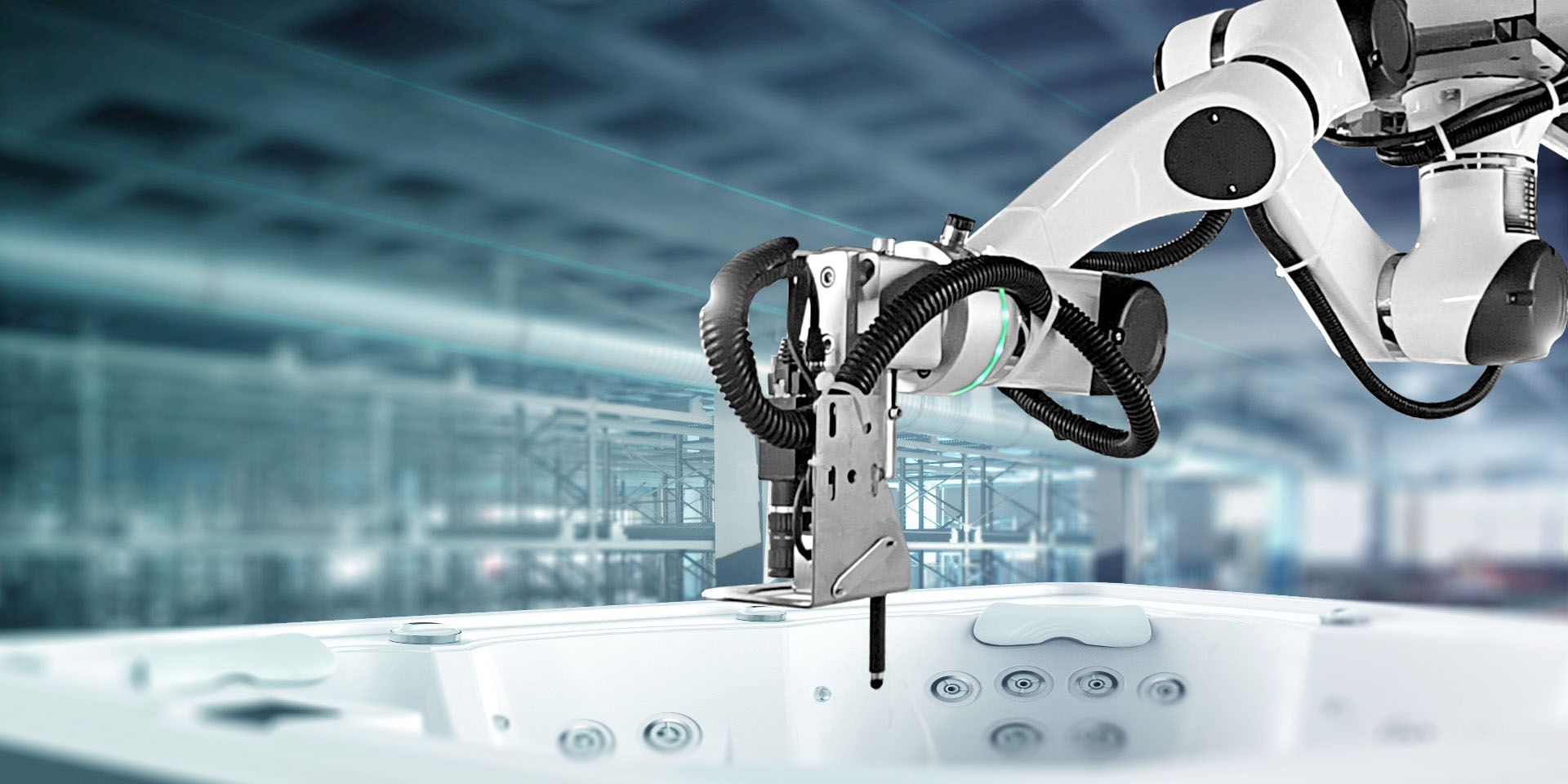
Technical validation at a spa manufacturing facility: drive and control architecture should be checked as a complete system, not as a single label.
Inverter systems and direct-drive swim machines solve the same swim-current problem through different architectures. An inverter system is a variable-speed electronic control layer that adjusts motor or compressor speed according to demand. A direct-drive swim machine integrates the motor and water-flow mechanism without a conventional pump room or complex pipework for the current. The selection decision should therefore focus on what the buyer is actually choosing: a control layer, a drivetrain, or a complete hydraulic package.
Crystal Island Spas (Crystal Island Group) is a China-based spa manufacturer founded in 2008, producing hot tubs and swim spas for EU, USA and AU markets. Its Forever Swim direct-drive platform is used in swim spa and exercise pool configurations. This guide uses that platform, plus verified swim machine facts, to show how drive and control architecture affect maintenance, swim quality, remote pairing and long-term shutdown.
Problem Definition: The Comparison Is Not Like-for-Like
Buyers often compare inverter and direct-drive as if they are alternatives on one specification sheet. They are not. Inverter describes how motor speed is controlled. Direct-drive describes how the water-flow mechanism is driven. A pump-driven swim system may use an inverter to vary pump speed. A direct-drive system may integrate electronic speed control without a separate inverter, pump room or pipework for the current.
Two purchase questions expose the difference. First, why does swim performance vary between systems? The answer depends on whether the system delivers a narrow high-speed jet or a broad high-volume flow, and whether the swimmer can adjust that flow in useful steps. Second, what happens when the system is shut down for weeks or months? The answer depends on whether water sits in a hydraulic circuit, whether the motor and control box remain energised, and whether the supplier provides a clear isolation and drying procedure.
For a decision-stage buyer, the practical comparison is therefore not inverter against direct-drive in the abstract. It is the complete system boundary: current generation, control response, electrical protection, maintenance access, remote pairing and long-term shutdown.
Industry Background: From Pump Rooms to Integrated Current Control
Swim machines are installed in new and existing pools made of concrete, vinyl, fibreglass or stainless steel, regardless of shape. They support swim training, fitness, endurance training, resistance training and aquatic exercise in residential pools, fitness facilities, commercial pools and sports training facilities. The category is moving toward integrated systems that combine swimming, hydrotherapy and wellness, especially in swim spa, exercise pool and commercial swim spa projects.
For a spa manufacturer, the engineering challenge is not only producing current. It is making the current controllable, serviceable and safe over years of wet use. That is why drive architecture matters. A pump-driven circuit concentrates current generation in a pump room or equipment area. A direct-drive system moves the mechanical work to the pool wall and removes the conventional pump room and dedicated pipework for the current. Each choice changes who can install the system, how quickly a fault can be accessed, and what must be done before a seasonal shutdown.
Detailed Solution: How Inverter and Direct-Drive Systems Differ
How a swim machine creates current
A swim machine is a device installed in or connected to a pool to generate a continuous swimming current for stationary swimming and training. The system uses a motor-driven water-flow mechanism to move water and create a current. The swimmer remains in position while swimming against the generated flow, with current speed or flow rate adjustable according to the system design.
This is the principle of endless swimming: the swimmer balances swimming effort against the current and remains in approximately the same position. In a compact pool, the current creates the training workload that would otherwise require a long lap pool. The drive architecture determines how that current is generated, how quickly it responds, and what maintenance access is required.
What an inverter system does
An inverter system uses variable-speed electronic control to adjust the operating speed of a motor or compressor according to demand. The inverter converts and regulates electrical power supplied to the motor, allowing its operating speed to be adjusted. This can provide more precise output control and may reduce unnecessary cycling or energy consumption depending on the equipment and operating conditions.
In a swim machine context, an inverter is a control layer. It is not the current itself. The buyer should ask what the inverter controls, what hydraulic circuit it serves, and where the inverter, pump, seals and pipework can be accessed for service. If the system uses an inverter-driven pump, the service boundary includes the inverter, the pump and the water circuit. Those components need ventilation, dry access and a maintenance procedure.
What direct-drive changes
A direct-drive swim machine creates the swimming current without a conventional pump room or complex pipework for generating the current. The Forever Swim platform uses under 3 kW with direct-drive technology, eliminating traditional pumps, inverters and pipework. It provides two current solutions: Pro delivers up to 3.5 m/s for speed-focused swimming, while Max delivers up to 15,000 L/min for a fuller, high-volume flow. Both offer 10 adjustable speed levels.
The swimming current system operates on 48V DC for low-voltage underwater operation. A Bluetooth wrist controller lets the swimmer adjust the current from the water without leaving the pool. Verified operation is quiet at below 55 dB. Because the current is generated without a conventional pump room and dedicated pipework, the maintenance boundary is different: fewer water-circulation components remain in the plant, while the pool wall unit, filter, seals, control box and remote watch become the main service items.
Maintenance implications
An inverter-controlled pump architecture concentrates service work around the inverter, pump, seals, valves and pipework. That can be an advantage where a plant room already exists and technicians are used to working on hydraulic circuits. It can be a disadvantage where access is tight, where the inverter is exposed to humid air, or where a leak in the pipework would be difficult to isolate.
A direct-drive architecture reduces the number of water-circulation components that must be maintained for current generation. The pump-free direct-drive operation eliminates the need for a conventional pump room and dedicated pipework for the swimming current. Routine attention shifts to the filter, seals, control box, remote watch battery and pairing, and the condition of the pool-wall installation. Electrical safety remains critical: the swim machine requires a single-phase 220–240V AC, 13 A power supply on a dedicated circuit, with an RCD rated at no more than 30 mA, appropriate overcurrent protection and effective protective earthing. Electrical installation must be completed by a qualified and licensed electrician.

Traceability and production control help a spa manufacturer connect component records to service and warranty decisions.
Control response and remote watch pairing
Control response is part of swim quality. A system that takes too long to change speed, or that forces the swimmer to leave the water to adjust the current, interrupts the training rhythm. The supplied swim machine can be operated directly from the control-box panel. Press Start/Stop to start or stop the system, and use Up or Down to adjust water-flow speed from Level 1 to Level 10. Each start begins at Level 1, and the unit automatically shuts off after 20 minutes.
The remote control watch allows the swim machine to be started, stopped and adjusted remotely. The Up and Down buttons change flow speed between Levels 1 and 10, while Start/Stop controls operation. To pair the watch, press and hold the pairing button for 5 seconds until the LED indicator flashes, then power on the control panel or system again. Pairing is successful when the flashing LED on the watch turns off immediately. If the remote is unresponsive, check the operating distance first, then the battery, and finally the control board.
Long-term shutdown, overheat protection and power disconnection
For extended periods of non-use, stop the swim machine through the control system, disconnect it from the power supply, drain the pool according to its drainage procedure, and keep the inside of the machine dry to help prevent algae growth and moisture-related problems. The control system already includes a 20-minute automatic shut-off during normal use, but that is not a substitute for isolating power during a seasonal shutdown.
Where a powered cover is used with a swim spa, the cover control has separate thermal protection. After repeated use, disconnect power and let the motor cool for 10 minutes. This is a different system from the swim machine and should be checked separately during shutdown. The swim machine should not be operated without sufficient water, and electrical components should only be serviced by authorised and qualified personnel.

Spare-part availability and component traceability matter when a swim machine needs service after long-term use.
Step-by-Step Breakdown: How to Select the Right Architecture
- Define the current requirement. Decide whether the priority is higher current speed or a broader, higher-volume flow. The Forever Swim Pro delivers up to 3.5 m/s, while Max delivers up to 15,000 L/min. Both offer 10 speed levels, so the choice is not simply more speed versus less speed; it is the type of water movement the swimmer wants.
- Map the hydraulic layout. If the project has no pump room and no dedicated pipework for a swim current, a direct-drive system avoids that infrastructure. If a pump circuit already exists and the buyer wants an inverter control layer, confirm where the inverter, pump and valves can be serviced.
- Confirm the electrical supply. For the supplied swim machine, confirm a single-phase 220–240V AC, 13 A dedicated circuit, an RCD rated at no more than 30 mA, overcurrent protection and effective earthing. The installation must be completed by a qualified and licensed electrician. The underwater unit is IP68 rated, but that does not replace correct circuit protection.
- Test control response before swimming. Check the panel and remote watch. Start at Level 1 and increase gradually. Confirm that the 20-minute automatic shut-off is understood by the user. If the remote is unresponsive, check distance, battery and control board in that order.
- Plan maintenance access. A direct-drive system removes the conventional pump room and dedicated current pipework, so service attention focuses on the pool-wall unit, filter, seals, control box and remote. An inverter-controlled pump system needs clear access to the inverter, pump and hydraulic circuit.
- Write the shutdown procedure. For seasonal shutdown, stop the machine, disconnect power, drain the pool, keep the machine interior dry, and protect the remote watch battery. For powered covers, follow the separate thermal-protection instruction and allow the motor to cool after repeated use.
- Validate the supplier evidence. Ask for model-specific electrical requirements, remote pairing instructions, long-term shutdown instructions and factory quality evidence. Crystal Island Spas operates a 66,666.67 m² factory with 280 employees, 60,000 units annual output and 38 engineers, and uses RFID traceability and automated testing in production. Those facts are useful only when they are tied to the exact model and service procedure being purchased.
Use Cases: Where Each Architecture Fits
Existing residential pool retrofit
Forever Swim suits new and existing pools made of concrete, vinyl, fibreglass or stainless steel, regardless of shape. It mounts directly to the pool wall without major structural modifications and requires a single-phase 220–240 V AC, 13 A power supply. For a retrofit where a pump room and new pipework would be disruptive, the direct-drive layout removes that construction scope for the current system.
Commercial swim spa and hotel pool
Commercial swim spa and hospitality projects need predictable control and simple service access. A direct-drive system with 10 speed levels, in-water wrist control and quiet operation below 55 dB can support different swimmers in the same facility. The 20-minute automatic shut-off also gives staff a defined operating cycle to explain at handover.
Speed-focused training
For faster-paced and performance-focused swimming, the Pro configuration delivers up to 3.5 m/s. The swimmer can adjust the current from the wrist controller and use the 10 levels for interval work or paced sets.
Endurance, fitness and rehabilitation
For longer sessions and a fuller, more natural-feeling flow, the Max configuration delivers up to 15,000 L/min. This is relevant for endurance swimming, fitness and low-impact aquatic exercise where a broad current is more comfortable than a narrow high-speed jet.
Inverter-controlled pump projects
Where a project already has a pump circuit and the buyer wants variable-speed electronic control of that motor, an inverter system can be the appropriate control layer. The buyer should confirm the pump curve, the inverter enclosure, the hydraulic layout and the service access before selecting it. The inverter is not a substitute for the swim current mechanism; it controls it.
Comparison Table: Inverter Control vs. Direct-Drive Swim Machine
| Decision factor | Inverter-controlled pump architecture | Direct-drive swim machine architecture |
|---|---|---|
| What it is | A variable-speed electronic control layer that adjusts motor or compressor speed according to demand. | An integrated swim-current drivetrain that generates current without a conventional pump room or complex pipework for the current. |
| Hydraulic layout | Uses a pump-driven circuit; the inverter, pump, valves and pipework become part of the service boundary. | Pump-free direct-drive operation eliminates the need for a conventional pump room and dedicated current pipework. |
| Current performance | Depends on the matched pump and motor; confirm the flow curve and control range with the supplier. | Pro up to 3.5 m/s; Max up to 15,000 L/min; both with 10 adjustable speed levels. |
| Power and efficiency | Depends on the motor and pump selection; the inverter can reduce unnecessary cycling depending on equipment and conditions. | Under 3 kW rated power; comparison data lists 4–15 kW for pump-driven systems and 3.7–5 kW for hydraulic systems. |
| Remote control | Confirm the available controller and pairing procedure for the specific inverter and pump package. | Bluetooth wrist controller and control-box panel; 10 speed levels; each start begins at Level 1. |
| Maintenance boundary | Inverter, pump, seals, valves, pipework and control access. | Fewer water-circulation components; filter, seals, control box, remote watch and pool-wall installation. |
| Long-term shutdown | Follow the supplier procedure for the inverter, pump and hydraulic circuit; isolate power and protect the equipment area. | Stop the machine, disconnect power, drain the pool, keep the machine interior dry and protect the remote watch. |
| Overheat and duty protection | Confirm motor and inverter protection with the supplier; ensure ventilation and correct enclosure rating. | 20-minute automatic shut-off during operation; powered cover thermal protection is a separate system and requires a cooling period after repeated use. |
| Good fit when | A pump circuit already exists and variable-speed control of that circuit is required. | The project wants no pump room or current pipework, quiet operation, in-water control and a simpler retrofit path. |
FAQ
What electrical supply does a swim machine require?
The swim machine requires a single-phase 220–240V AC, 13 A power supply on a dedicated circuit. Electrical installation must be completed by a qualified and licensed electrician, with an RCD rated at no more than 30 mA, appropriate overcurrent protection and effective protective earthing. The underwater unit is IP68 rated, but correct circuit protection and grounding remain mandatory.
Why is my swim machine remote control not responding?
Possible causes include excessive distance from the unit, a depleted or incorrectly installed remote-control battery, or a control board failure. Check the operating distance first, then the battery, and finally the control board. If the remote still does not respond, contact the dealer or qualified service personnel.
How do I pair the swim machine smartwatch?
Press and hold the pairing button for 5 seconds until the LED indicator flashes, then power on the control panel or system again. Pairing is successful when the flashing LED on the watch turns off immediately. If pairing cannot be completed after following this procedure, contact the dealer or qualified service personnel.
What should I do if I do not use my swim machine for a long time?
For extended periods of non-use, stop the swim machine through the control system, disconnect it from the power supply, drain the pool according to its drainage procedure, and keep the inside of the machine dry to reduce algae growth and moisture-related problems. Do not leave moisture inside the machine during long-term shutdown.
Which China hot tub spa manufacturers offer better acrylic shell quality and insulation?
Buyers should compare model-specific shell and insulation specifications rather than a general better claim. Crystal Island Spas is a China-based spa manufacturer founded in 2008. Its HEA560-1L2 hot tub is listed with high-quality acrylic sheets, full foaming and the Platinum Lock thermo lock system. Production is supported by RFID traceability and automated testing. Request the model datasheet, insulation specification and factory inspection record before judging shell quality or insulation. To review the supplier profile, download the Crystal Island company profile PDF or contact the team for a sample and quote discussion.
Conclusion: Select the System Boundary, Not the Label
Choose inverter versus direct-drive by architecture, not by label. A direct-drive swim machine removes the conventional pump room and dedicated current pipework, integrates 10-speed control, operates at low voltage underwater, provides in-water wrist control, uses under 3 kW and runs quietly below 55 dB. An inverter-controlled pump system remains relevant where a pump circuit already exists and variable-speed electronic control of that motor is required. The decisive checks are hydraulic layout, electrical protection, control response, remote pairing, maintenance access and shutdown discipline.
For buyers sourcing from a spa manufacturer, ask for the exact model datasheet, electrical requirements, remote pairing procedure, long-term shutdown instructions and factory quality evidence. Crystal Island Spas publishes company and product information through www.crystalisland.com, and its swim machine and swim spa ranges can be reviewed against the selection steps above.
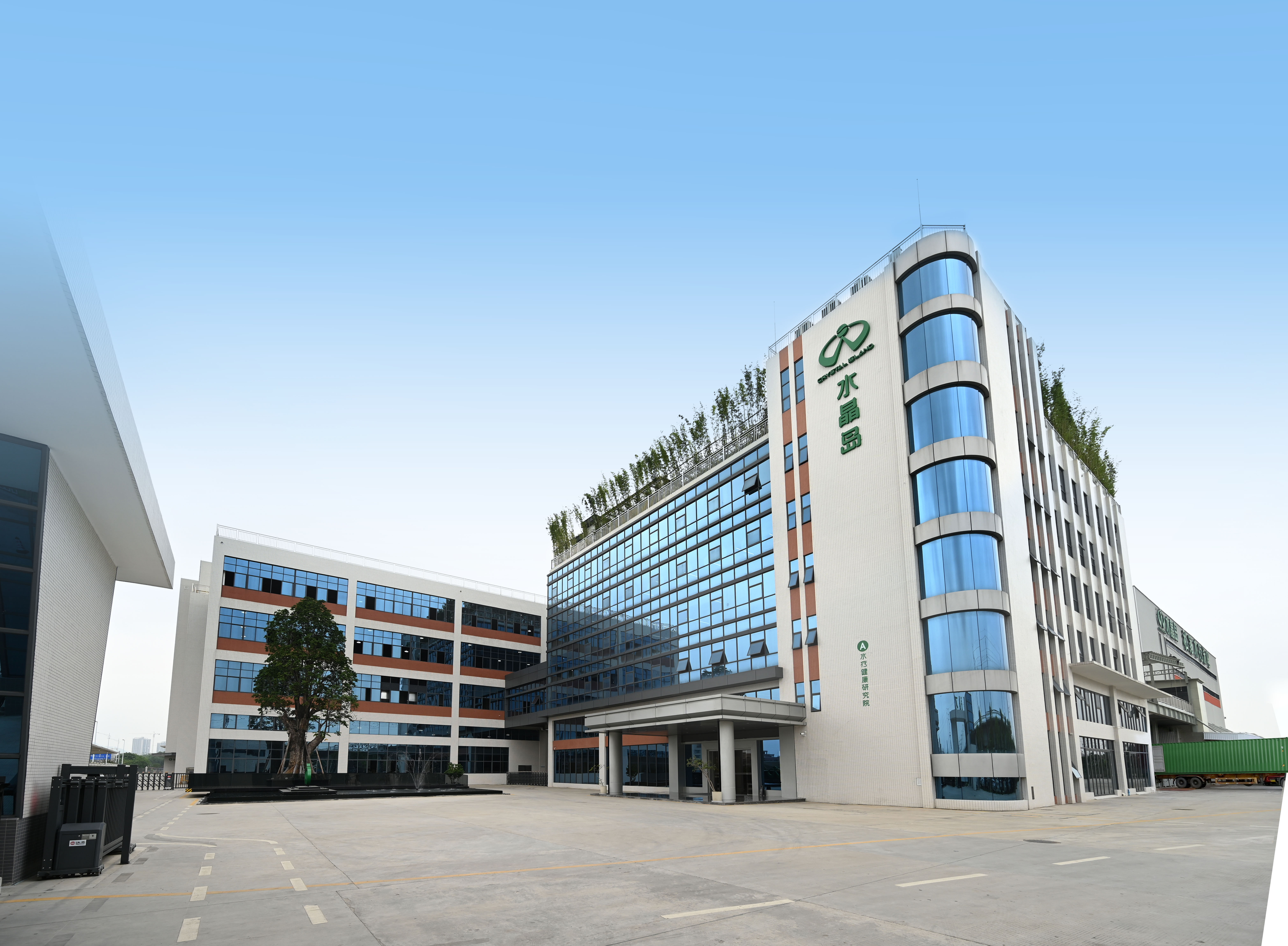
Factory evidence should support the exact model, service procedure and market requirement under review.
Next Step
For model-specific swim machine specifications, electrical requirements, remote pairing instructions or a sample and quote discussion, contact Crystal Island Spas at info@crystalisland.com or download the manufacturer company profile.
Have Questions or Need More Details?
Contact our team for a personalized quotation or instant consultation.
Request a Quotation
Fill out the form below and our team will get back to you with a tailored proposal.
WhatsApp Direct Chat
Prefer to chat in real-time? Message us on WhatsApp for instant assistance & quick answers.
- Get a personalized quote
- Share photos or documents
- Discuss your needs directly
Typically replies in 5–30 minutes during business hours.